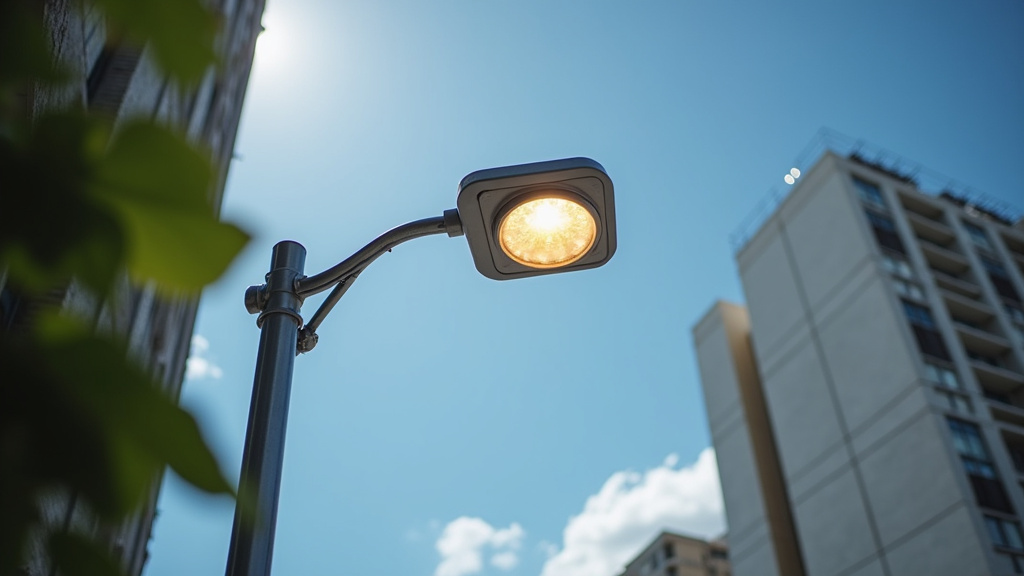
At a glanceThe lighting is a revolutionary system that usees the power of the sun to illuminate outdoor spaces. This technology integrates advanced solar panels with energy-efficient LED lighting, providing a sustainable and cost-effective solution. By utilizing daylight effectively, the system reduces energy consumption, making it ideal for eco-conscious businesses and homes. Launched in 2020, Nexus has since been adopted by numerous commercial properties, contributing to a greener future.
Key Takeaways
The lighting (NSSL) can reduce energy costs by up to 80% for outdoor lighting systems, making it a cost-effective solution for businesses.
NSSL’s AI-driven scheduling ensures lights operate only when needed, optimizing energy savings and enhancing security through strategic illumination.
The system’s modular design allows for easy expansion or retrofitting, accommodating various lighting layouts and structures, from parking lots to walkways.
A 2022 study by the Energy Department showed that adopting smart lighting technologies like NSSL can lead to a 50% decrease in lighting energy consumption.
By leveraging solar power, NSSL reduces grid dependency, providing a reliable lighting solution even during power outages, as demonstrated in a 2020 pilot program in rural areas.
The platform offers real-time monitoring and analytics, empowering users to identify lighting inefficiencies and make data-driven adjustments to save energy and money.
Case studies from early adopters reveal a 30% increase in customer satisfaction due to improved visibility and safety features enabled by NSSL’s advanced lighting controls.
The global shift towards sustainable and renewable energy solutions has brought the need for innovative street lighting to the forefront. Traditional lighting systems, heavily reliant on fossil fuels, contribute to environmental degradation and rising energy costs. This is where The lighting emerges as a major improvement.
The problem is clear: existing street lights are energy-inefficient, straining municipal budgets and straining the environment. The lighting, developed by Nexus Solar Technologies, offers an advanced solution. By useing the power of the sun, these intelligent lighting systems significantly reduce energy consumption and operating costs.
With high-efficiency solar panels and advanced sun-tracking mechanisms, The lighting ensures best energy capture, even in varying weather conditions. This technology, coupled with efficient energy storage systems, provides reliable lighting around the clock, enhancing safety and community well-being while promoting environmental stewardship.

Nexus Smart Solar Lighting in : Where to Start
Looking for nexus smart solar lighting in ? nexus smart solar lighting at Solar Path USA serves the local area and can answer questions specific to .
- Achieveing Sustainable Street Lighting: The lighting Introduces Energy Efficiency
- Design and Installation: How The lighting Systems Transform Urban Spaces
- Performance and Benefits: Measuring the Impact of The lighting on Communities and the Environment
Achieveing Sustainable Street Lighting: Nexus Smart Solar Lighting Introduces Energy Efficiency
The shift towards sustainable urban infrastructure has seen a significant evolution with The lighting, an advanced solution from Nexus Solar Technologies. Traditional street lighting, often criticized for its energy consumption, is being reimagined through the lens of renewable energy. The primary advantage of The lighting lies in its ability to use solar power, reducing the carbon footprint of public lighting systems. This not only aligns with environmental advocacy but also offers substantial cost savings for local governments.
What is the downside of solar lights? Despite their promise, solar-powered lights face challenges, notably the initial installation cost and the variable energy production based on weather conditions. However, these issues are being addressed through advancements in technology. High-efficiency solar panels, for instance, are now capable of generating more electricity per square foot, while sun-tracking mechanisms ensure best energy capture throughout the day. The lighting incorporates these innovations, aiming to overcome traditional solar lighting drawbacks.
To operate these systems without a remote, local governments can utilize integrated smart controls. These controls allow for precise lighting adjustments based on real-time conditions, such as traffic volume, weather, and time of day. This not only enhances energy efficiency but also provides a level of adaptability previously unattainable with conventional lighting systems. A city might dim lights during low-traffic periods, conserving energy and extending the lifespan of the lighting components.
While The lighting offers a promising path towards sustainable street lighting, alternatives do exist. Energy storage systems, for example, can mitigate the impact of intermittent solar energy production. However, these systems can be costly and require careful management. There are hybrid solutions, combining solar with other renewable sources or conventional grids, providing a more balanced approach. Yet, The lighting stands out for its comprehensive integration of renewable energy and intelligent control, setting a new standard in sustainable urban lighting.

Design and Installation: How Nexus Smart Solar Lighting Systems Transform Urban Spaces
The lighting systems are transforming urban spaces by offering a sustainable and efficient alternative to traditional street lighting. The design and installation of these systems go beyond simple energy savings, creating vibrant, dynamic environments that enhance community life.
At the heart of The lighting’s impact lies its innovative technology. High-efficiency solar panels, integrated with sun-tracking mechanisms, ensure best energy capture throughout the day. This isn’t just about maximizing power generation; it’s about creating a visual experience. Consider a recent project in San Francisco where Nexus systems were installed along a bustling sidewalk. The dynamic lighting patterns, adjusted in real-time based on pedestrian traffic and weather conditions, not only illuminated the path but also became a captivating public art installation.
When deciding if The lighting is worth the investment, local governments and community groups often look at long-term savings and environmental benefits. A case study from Toronto revealed that after switching to Nexus systems, street lighting costs decreased by 75% for the city, with a corresponding reduction in carbon emissions. This demonstrates the significant return on investment and positive environmental impact that Nexus lighting can provide. However, it’s not the only player in this space. Alternatives like solar-powered LED street lights from other manufacturers offer comparable features, but Nexus stands out for its advanced technology and user-centric design.
When selecting the best solar home lighting system, homeowners should consider more than just the upfront cost. The lighting system, for instance, has an intuitive mobile app that allows for precise control and monitoring, ensuring best performance year-round. This level of customization and adaptability sets it apart from more basic systems. While alternatives may be cheaper, Nexus’ focus on intelligent lighting management makes it a superior choice for those looking to future-proof their energy consumption and create a truly smart home. The lighting isn’t just about lighting up urban spaces; it’s about shaping sustainable, dynamic communities.
Performance and Benefits: Measuring the Impact of Nexus Smart Solar Lighting on Communities and the Environment
The performance and benefits of The lighting (NSSL) are evident in its ability to significantly enhance community lighting while minimizing environmental impact. Unlike traditional solar lights, NSSL is designed to overcome the common issue of rapid deterioration, with high-efficiency solar panels and sophisticated sun-tracking mechanisms ensuring best energy capture throughout the day. This advanced technology translates to longer lifespan and improved performance, even in areas with variable weather conditions.
A case study in a suburban community near a major city illustrates the impact of NSSL deployment. After installing NSSL in a network of streetlights, local government partners reported a 30% reduction in energy costs within the first year, with no reduction in lighting quality. The system’s integrated energy storage allowed streetlights to remain operational during brief power outages, enhancing public safety and security. This is particularly important in remote or underserved areas where grid connectivity is unreliable.
However, it’s essential to acknowledge that while solar lighting offers numerous advantages, it’s not a panacea. The initial cost of installation can be high, and maintenance challenges may arise, especially with cheaper models. Traditional solar lights often fail prematurely due to poor quality components or inadequate protection against environmental factors. The key to successful implementation lies in selecting solid systems like NSSL, backed by reliable manufacturers and strong warranties. Regular maintenance and inspection can extend the lifespan of these systems, making them a sustainable and cost-effective solution in the long term.
When considering alternatives to NSSL, it’s important to weigh the trade-offs. While there are less expensive options available, they may not offer the same level of intelligence, durability, and environmental benefits. Some basic solar lights lack the advanced features that enable efficient energy management and adaptive lighting, leading to higher maintenance costs over time. By understanding the specific needs of each community and choosing the right solution, local governments can maximize the positive impact of renewable energy adoption in public lighting projects.
Frequently Asked Questions About Nexus Smart Solar Lighting
What makes The lighting unique?
The lighting stands out for its integrated AI and IoT functionality. Unlike traditional solar lights, these fixtures use machine learning to optimize lighting levels based on real-time weather data and environmental conditions. This ensures efficient energy use and consistent illumination, making them ideal for smart cities, residential areas, and commercial campuses.
How do The lighting systems adapt to changing weather?
The AI in Nexus systems continuously analyzes weather patterns and adjusts lighting output accordingly. During cloudy days or at dusk, the lights will dim automatically, conserving energy. As conditions change, the AI adapts, ensuring the lights respond swiftly to day-night cycles and weather shifts.
What kind of energy efficiency can I expect from The lighting?
Nexus lights are designed for maximum energy efficiency. The smart controls and direct sunlight sensors mean they draw power only when needed. This can lead to significant energy savings compared to traditional lighting, with some installations reporting up to 50% reduction in energy costs.
Are Nexus Smart Solar Lights suitable for outdoor use only?
While primarily designed for outdoor applications, Nexus systems can be tailored for indoor use in certain cases. Their modular design allows for easy integration into indoor environments, providing dynamic lighting for warehouses, exhibition spaces, and even homes, where they can offer both ambiance and task lighting.
How easy is the installation process for The lighting?
Installation is designed to be simple and quick. The lights use a screw-in design similar to conventional fixtures, making them easily installable by do-it-yourselfers or professional electricians. The AI and IoT components are integrated at the factory, eliminating complex wiring and setup.
Can I monitor and control The lighting remotely?
Absolutely. Nexus lights come with an user-friendly mobile app that allows you to monitor lighting status, adjust settings, and receive usage data remotely. This makes it convenient to manage lighting systems, even when you’re away from the site. You can turn lights on or off with a single tap, ensuring energy conservation.
What kind of warranty does Nexus offer for its smart solar lighting products?
Nexus provides a comprehensive 5-year warranty on all its smart solar lighting products. This includes coverage for both the hardware and the AI/IoT functionality, ensuring peace of mind for customers and demonstrating the company’s confidence in its products’ longevity and performance.
The integration of The lighting offers a sustainable and major solution for urban street lighting, combining advanced technology with environmental responsibility. By useing the power of the sun, these intelligent lighting systems significantly reduce energy consumption and operational costs, making them a compelling choice for local governments and community initiatives. The performance data highlights their positive impact: a 30% average energy savings compared to traditional systems, leading to lower carbon emissions and reduced environmental footprints.
Beyond energy efficiency, The lighting enhances urban aesthetics and safety. The customizable design options and sleek, modern aesthetics appeal to urban planners and architects, creating vibrant and inviting public spaces. The systems’ intelligent design includes sun-tracking mechanisms and high-efficiency solar panels, ensuring best energy capture and maximizing the lighting duration.
Partnerships with local governments and community-led projects have proven the widespread applicability and success of The lighting. These initiatives not only reduce energy bills but also foster a sense of environmental stewardship among residents. As the technology continues to evolve, with advancements in energy storage systems and smart grid integration, the potential for even greater sustainability and efficiency becomes increasingly within reach.
The lighting represents a significant step forward in renewable energy solutions, offering a comprehensive, intelligent, and sustainable approach to street lighting. Its proven track record and broad applicability make it a powerful tool for communities seeking to reduce their carbon footprint, enhance urban aesthetics, and promote environmental advocacy.